Comfort-Focused TMJ Care
Enjoy Everyday Moments Again
Meet The Dentists
Schedule Your Consultation
When your jaw clicks or locks while you chew, it can turn meals you love into a test of patience. Laughing with friends might leave your jaw stiff or sore the next morning. Even brushing teeth or yawning can make you tense, bracing for pain that shows up in your temples, neck, or ears.
At Los Gatos Dental Group, we focus on helping your jaw work the way it should so these everyday moments
don’t hurt, distract, or frustrate you.
Schedule your consultation today and start moving freely again
Why Choose Los Gatos Dental Group for TMJ Therapy?
- Minimize Day-to-Day TMJ Discomfort
- Two Experienced Dentists
- Customized TMJ Therapies
Why Your Jaw Feels Off
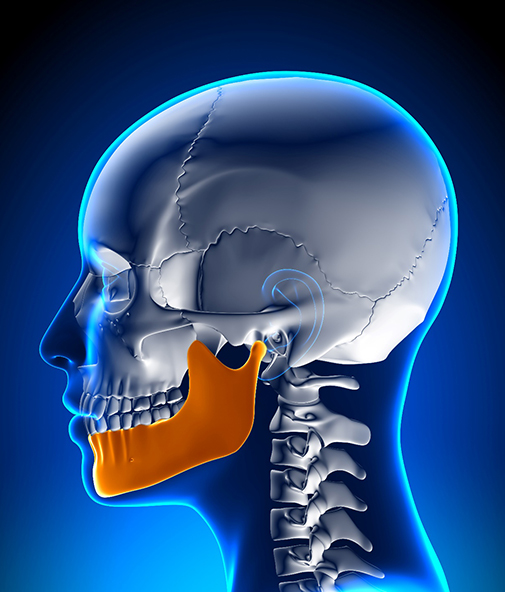
TMJ (temporomandibular joint) pain usually doesn’t appear out of nowhere. Clenching your jaw at night, stress, a slightly misaligned bite, minor injuries, or even poor posture can strain your jaw over time. Understanding what’s behind the discomfort helps us tailor treatment to how you actually move, talk, and live each day so that the treatment we prescribe you brings real relief.
How We Make Your Jaw Pain Melt Away
Oral Appliances
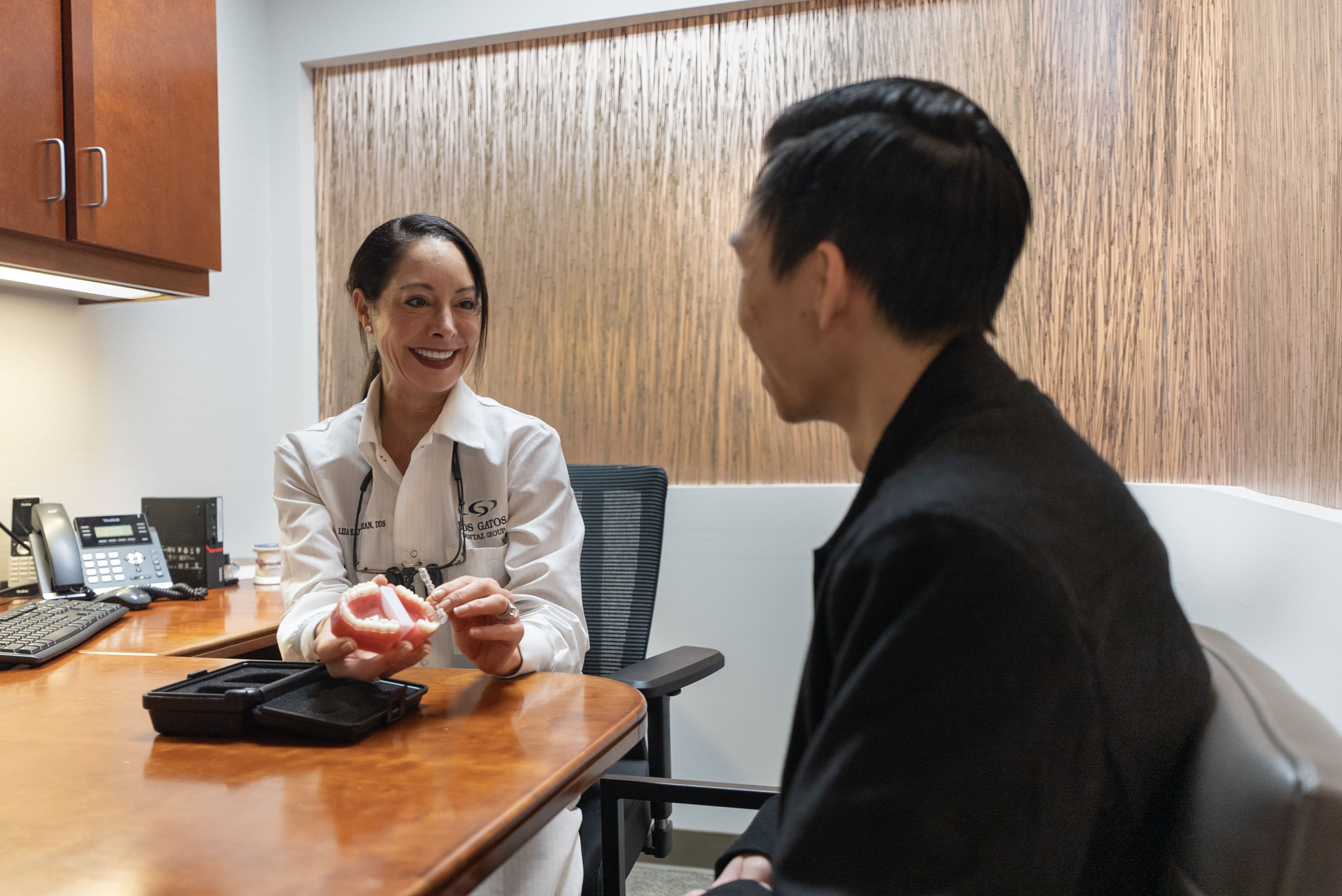
Oral Appliances, like nightguards or occlusal splints, guide your jaw into a healthier position while you sleep. They absorb grinding pressure, ease muscle tension, and often let you wake up with a jaw that actually feels rested.
Fine-Tuning Your Bite
An occlusal adjustment gently reshapes the surfaces of your teeth so they come together more comfortably. By evening out the way your teeth meet, it eases pressure on your jaw joint and surrounding muscles. Many patients notice their jaw moves more smoothly and their clenching or discomfort starts to fade soon after.
At-Home Treatment
Sometimes we pair dental treatments with warm compresses, stress-relief tips, gentle massage, or short-term anti-inflammatory guidance. These small steps help the jaw and surrounding muscles relax and recover faster.
Symptoms of TMJ Issues

Jaw pain doesn’t stay isolated. It can travel to your neck, temples, and teeth, making everyday activities a constant reminder of discomfort. You might notice:
- Clicking or popping on one or both sides of your jaw
- Morning headaches or lingering tension
- Earaches or neck stiffness
- A jaw that locks, feels stiff, or distracts you from daily life
- Teeth that appear worn, chipped, or flat from clenching
Getting care for your TMD (temporomandibular disorder) now prevents more wear on your teeth, keeps your jaw moving smoothly, and eases pain before it takes over your day.
Your First Visit: What to Expect
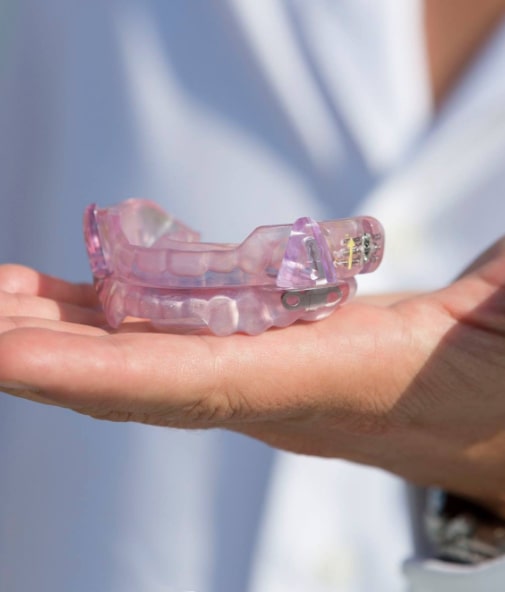
We want your first visit to feel like being heard by someone who really gets it. Here’s how it usually unfolds:
- A conversation about when and how your jaw hurts, and what you want back in your daily life
- A gentle check of your bite and jaw movement, noticing small details that affect comfort
- Clear explanations of treatment options
- Guidance and reassurance on what will help your jaw feel better and protect your teeth
By the end of your appointment, you’ll have a plan that makes sense to you and a well-informed way forward.
Meet Your TMJ Team

Dr. Diercks and Dr. Karamardian focus on more than teeth, they study the muscles, joints, and habits that shape how your jaw moves. They notice the little things – a flinch, a question you didn’t ask out loud, the way you hold your jaw – and adjust their approach so you leave feeling calmer, more comfortable, and genuinely heard.
Let’s Give Your Jaw a Break
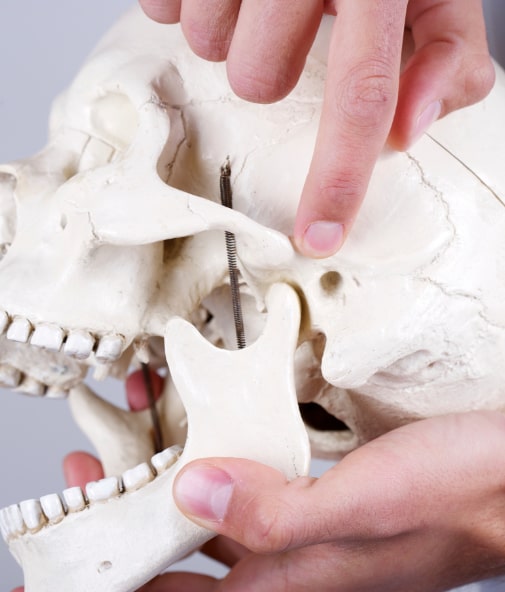
Your jaw has been carrying more than it should. With the right TMD care here in Los Gatos, you can finally stop thinking about your jaw pain and start enjoying meals, laughter, and even just yawn normally again. We’ll help you figure out what feels right for you!
TMJ FAQs: What You’re Probably Wondering
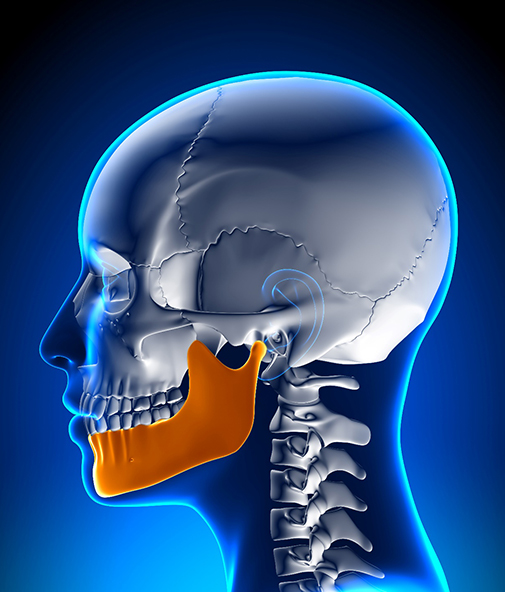
Will a TMJ eventually go away on its own?
While minor jaw stiffness from a stressful week might fade, a true TMJ disorder rarely resolves on its own because the joint remains under constant mechanical strain. By addressing the root cause of the bite imbalance early, we can usually resolve the issue using highly conservative, non-surgical therapies.
Is it normal for TMJ to cause neck and shoulder pain?
Yes, this is incredibly common because your jaw muscles are intricately connected to the network of muscles in your head, neck, and upper back. When a bite misalignment or chronic clenching exhausts your jaw, that tension cascades downward to create chronic headaches and aching shoulders.
What causes symptoms to flare up suddenly?
TMJ flare-ups usually happen when an underlying bite issue is suddenly aggravated by a specific trigger like elevated stress, chewing hard foods, or poor posture. This sudden strain leads to intense, unconscious jaw clenching that requires a professional evaluation to relieve the pressure and protect your natural teeth.
Do I need surgery to fix my jaw?
Invasive surgery is rarely necessary and should always be viewed as an absolute last resort. Most TMJ issues are successfully resolved through conservative treatments like custom night guards, muscle relaxation, and minor adjustments to your bite alignment.