
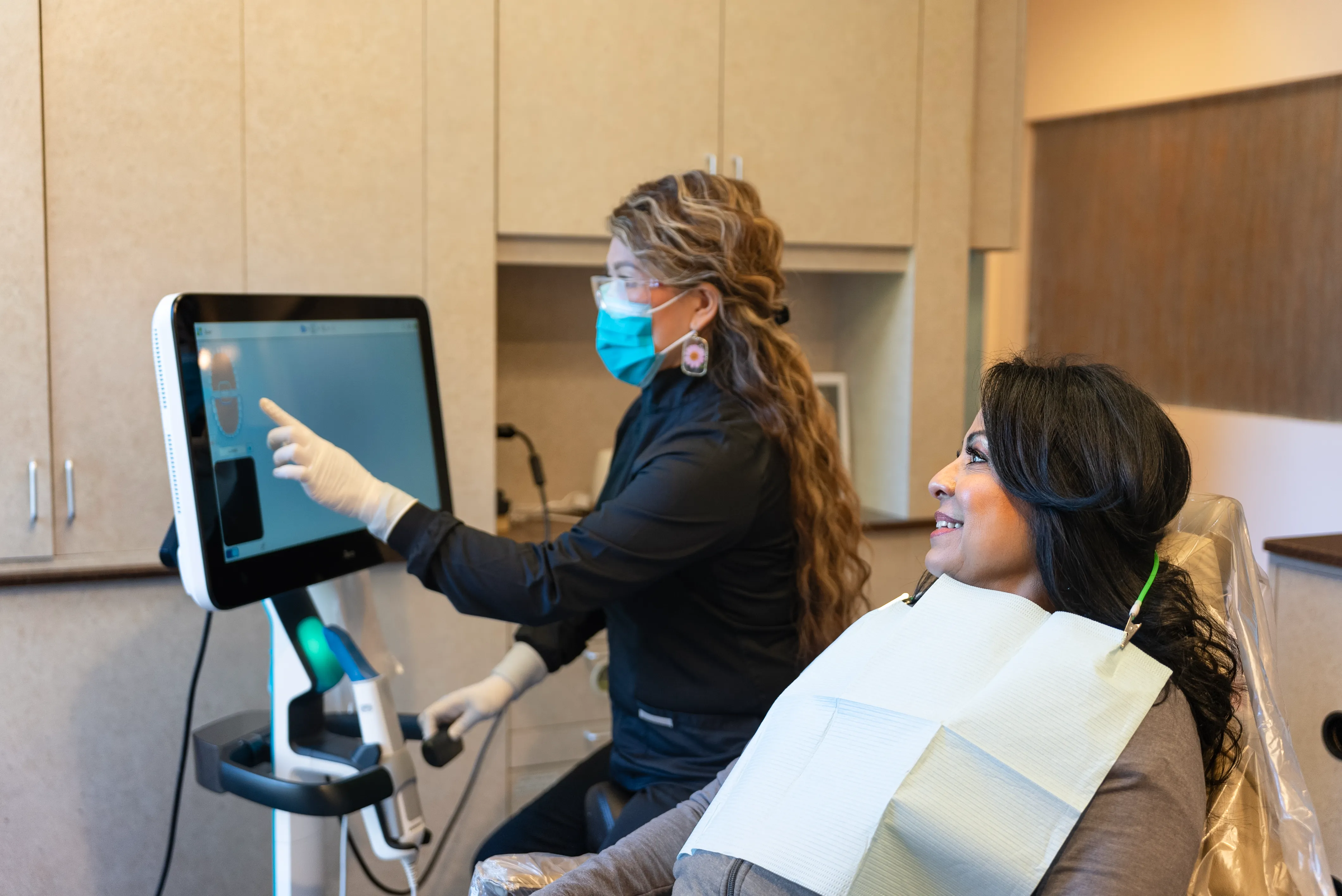
Sleep apnea is more than just snoring; it’s a silent disruptor of your nights and your health. If you’re waking up gasping for air, feeling groggy all day, or struggling with brain fog and irritability, you might like to come get checked by Dr. Karamardian.
At Los Gatos Dental Group, we help you uncover the root of your sleep concerns and create a plan that brings back deep, restorative rest – thoughtfully considering your lifestyle, travel habits, comfort preferences, and long-term goals so the solution actually works for you!
Book An Appointment Patient Info
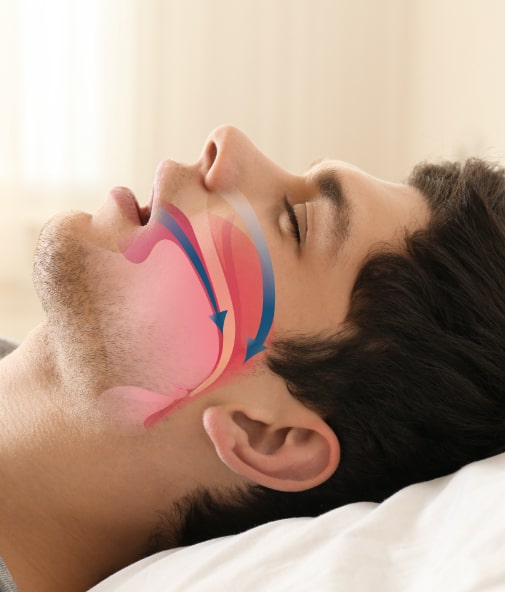
Sleep apnea happens when your airway becomes blocked during sleep, causing repeated pauses in breathing throughout the night. These interruptions can be brief, but over time, they take a serious toll on your heart, brain, mood, and energy levels.
The most common form, obstructive sleep apnea (OSA), is often caused by the collapse of soft tissues in the throat. If left untreated, it can increase your risk for high blood pressure, cardiovascular issues, diabetes, and depression. Many people don’t even know they have it – only that they’re tired all the time!
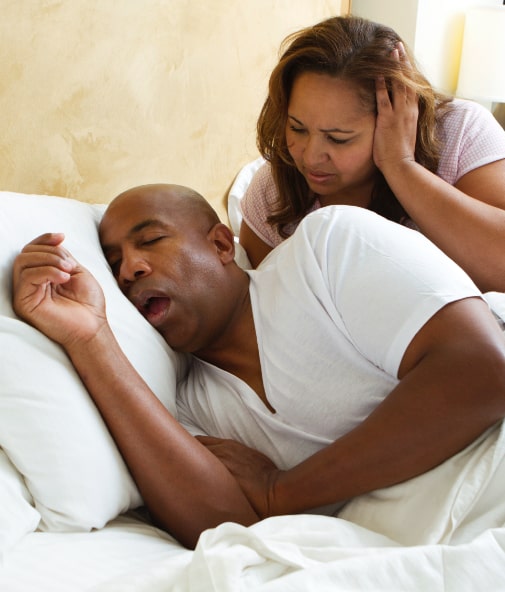
You might have sleep apnea if you or a partner have noticed any of the following:
If this sounds familiar, a sleep study (often done at home or in a sleep lab) can help confirm a diagnosis. The study measures how often your breathing stops (your AHI score) and how severe your sleep apnea is. From there, we can help you understand your options.
You might be wondering:
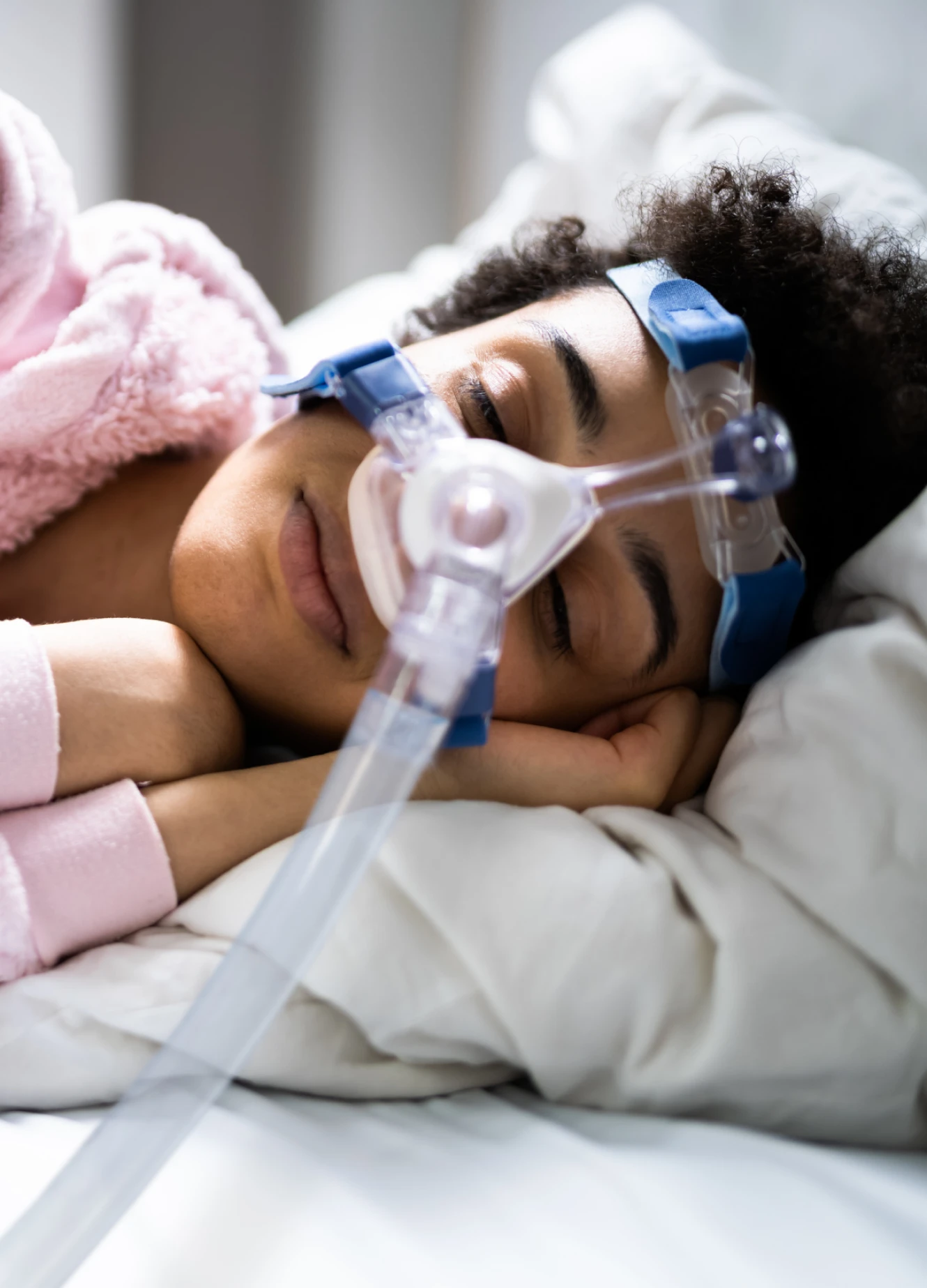
“Do I have to wear a CPAP forever?”
“Is there something more comfortable?”
“What if I travel a lot?”
We’re here to walk you through it, with effective treatment that works for your body, your life, and your peace of mind.
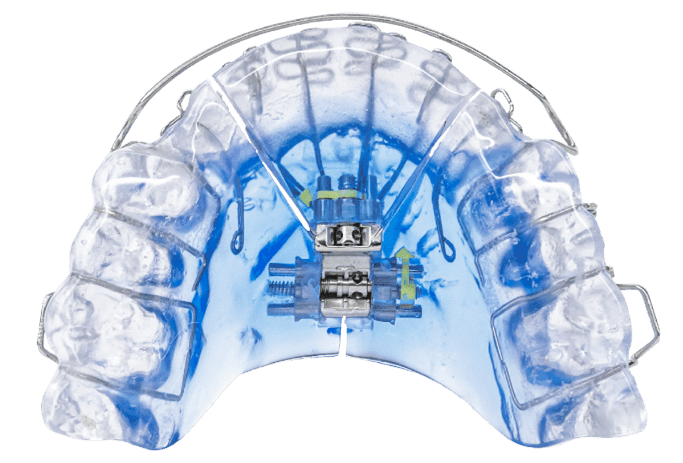
What makes Vivos truly exceptional isn’t just the custom-fit appliance; it’s the intelligent, data-driven system behind it. Unlike conventional treatments that simply bulldoze symptoms, Vivos is designed to correct the underlying cause of sleep apnea: narrow airways.
With Vivos, we can:
Treatment typically takes 12–18 months and can often reduce or even eliminate the need for CPAP. Many patients describe it as life-changing: not just quieter nights, but brighter, more energized days – without drugs or invasive surgery.
Obstructive Sleep Apnea doesn’t just affect adults – children can struggle too, and it can impact their development in surprising ways. Poor sleep and restricted breathing may be linked to crooked teeth, ADHD-like symptoms, night terrors, bedwetting, and more.
The Vivos Guides work with a child’s natural growth cycles to gently guide proper jaw and airway development. Starting as early as age 4, these guides help encourage:
The guides are FDA-registered orthodontic devices, worn mostly at night, and can make a profound difference in your child’s sleep, behavior, and long-term health.
Stanford research suggests that modern lifestyles – including softer diets and chronic allergies – may be contributing to smaller jaws and narrower airways in children, making therapies like this more important than ever.
To learn more about how children develop a compromised airway, watch this short video created by Right to Grow (a non-profit organization).
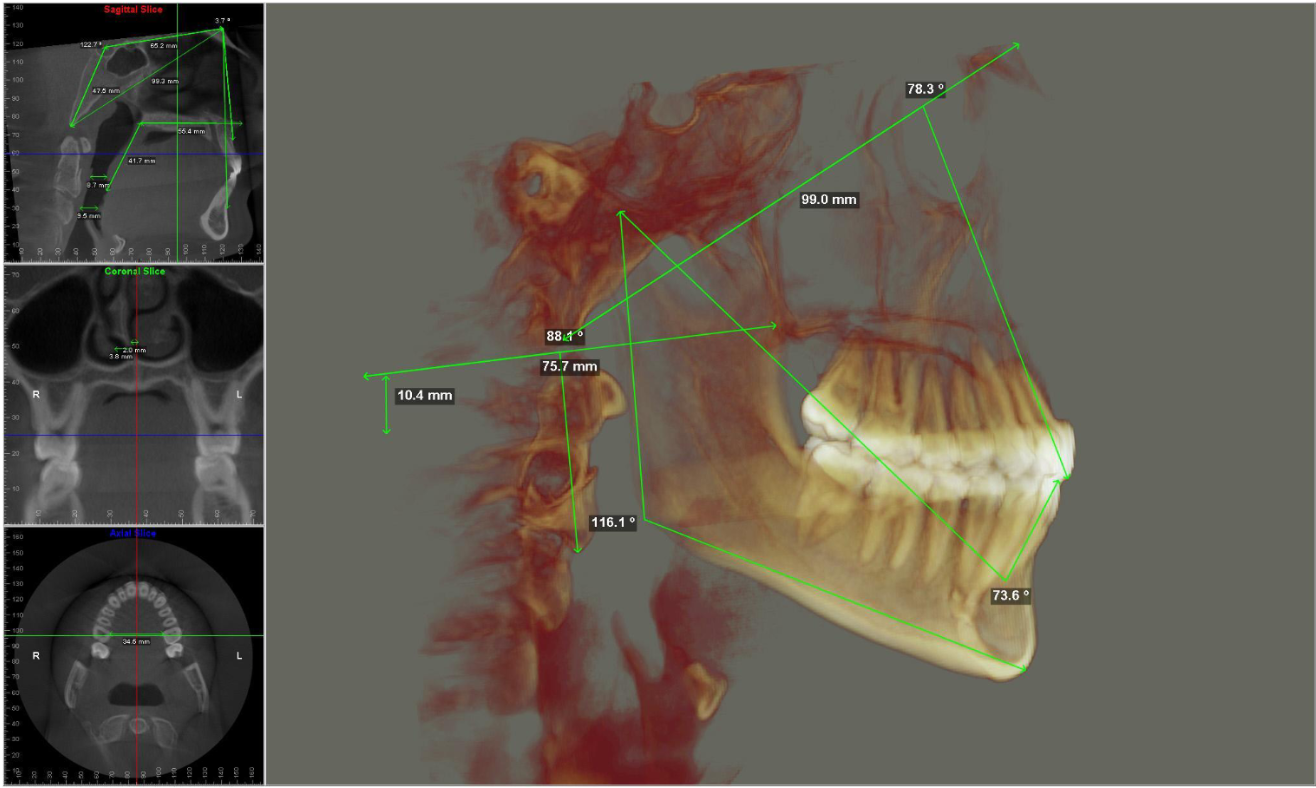
Pneumopedics® is a nonsurgical method for remodeling the upper airway. It involves both naturally occurring and treatment-induced changes that take place over time. Pneumopedics® is a key part of the Vivos system and can be an effective solution in addressing mandibular retrusion and maxillary hypoplasia.
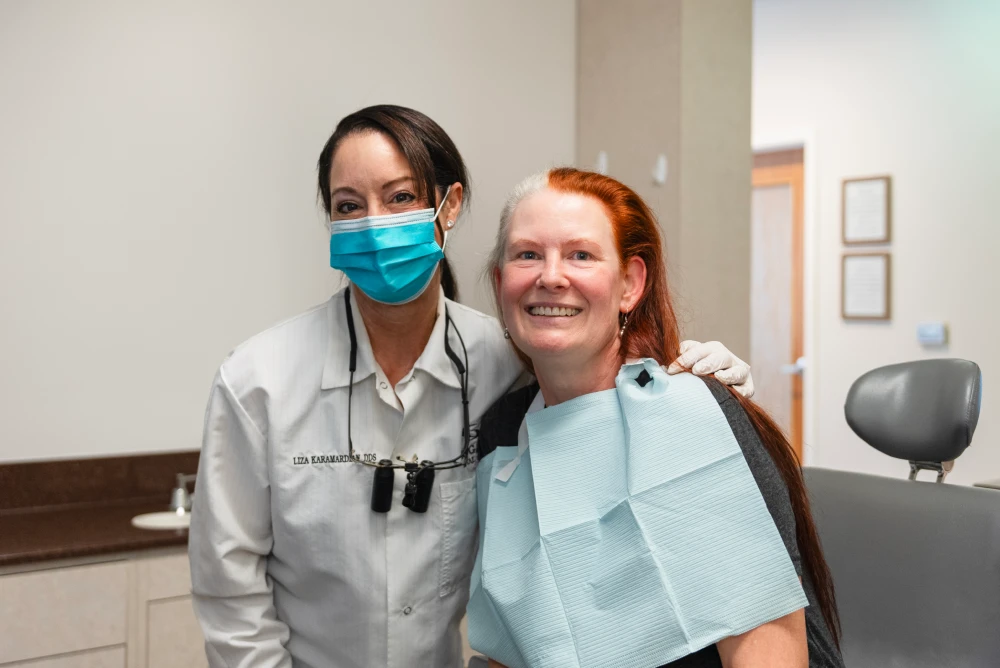
Your journey might look like this:
If Vivos isn’t the right fit, we can still create a sleep appliance in-office – a simpler option for many patients with mild or moderate apnea.
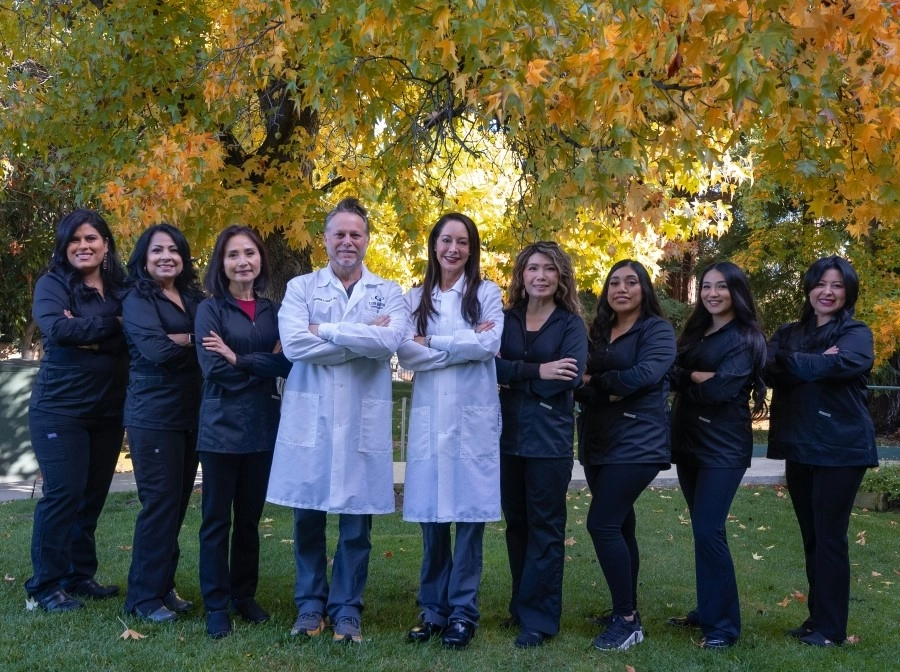
Not every dentist offers sleep apnea treatment – and even fewer are trained in advanced therapies like Vivos. We bring together leading technology, specialized training, and a warm, family-first approach to care.
What sets us apart:
When it comes to sleep apnea, our goal is to help you feel rested, clear-headed, and well again.
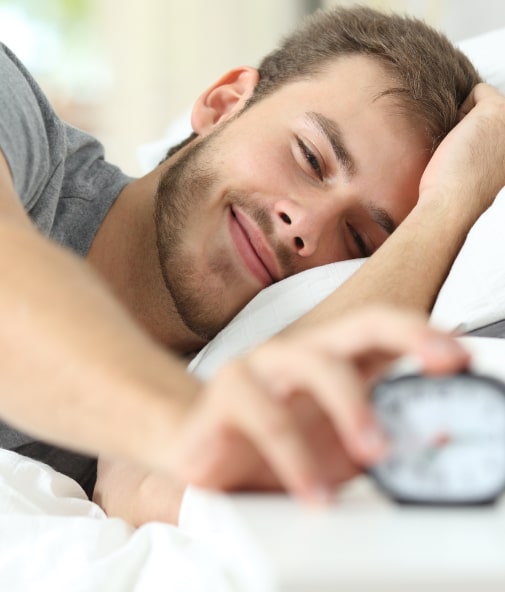
If you’re tired of feeling tired, let’s talk. We’re here to answer your questions, explore your options, and support you on your journey to better sleep, without pressure or judgment.
Book An Appointment Call - (408) 402-0900A sleep study will determine your AHI score, which tells us how many times you stop breathing per hour. Mild = 5–15, moderate = 15–30, severe = 30+. We use this to tailor your treatment.
Not exactly “better,” but different. CPAP is the gold standard for immediate relief—it keeps your airway open while you sleep but only works if you wear it every night. Vivos, on the other hand, aims to correct the underlying issue (narrow airways) by gently expanding the jaw and palate. Many patients prefer it because it’s comfortable, portable, and can provide long-term improvement.
Often, yes, but it depends on your medical insurance plan, not dental. We’ll help you check your benefits and navigate the paperwork so cost doesn’t get in the way of care.
Yes, many devices double as nightguards and can actually help reduce grinding by improving your jaw position.
Not always. Some people use therapy long-term, while others improve their condition through lifestyle changes (like weight loss, addressing nasal congestion, or positional therapy). We’ll reassess regularly.
Not always – but it’s one of the most common signs. Apnea-related snoring is usually loud, broken by pauses, gasps, or choking sounds. If your snoring is steady and unbroken, it may not be sleep apnea – but it’s still worth checking out.
Not anymore. At-home sleep studies are now widely used and often more comfortable. They’re slightly less sensitive than in-lab tests, but they give a more accurate picture of how you sleep in real life.
Central apnea is different – it’s neurological, not physical. Oral appliances may not be enough on their own, but they can sometimes help make CPAP more tolerable by lowering the pressure.
Risk goes up if you’re over 50, male, have high blood pressure, a larger neck, or a BMI over 25. Still, anyone can have it. If you’re tired, foggy, or snore loudly, come get checked.
Yes – it adds moisture to the air, which can ease dry mouth and congestion. It’s especially helpful if you use a CPAP machine.